
 203-302-1086

Signs to Repaint Your Home’s Interior
October 10, 2025
A fresh coat of paint can do more than enhance your home’s appeal — it can also provide protection and add value. One of the most common questions homeowners ask is how often to repaint a house. The answer depends on various factors, including climate, the quality of the previous paint job and the current condition of the interior walls. Explore the following signs to repaint your home’s interior to know when it’s time.
Visual Signs of Paint Deterioration
Visual signs are easy to spot, and they can tell you a lot about the condition of your interior. While there’s no set rule for how often to repaint a house, identifying these signs can help you decide based on your situation.
Fading and Discoloration
Fading and discoloration are two of the most common indicators that your house’s interior needs repainting. UV rays from sunlight exposure can break down the pigment molecules in paint, causing it to lose its color intensity and fade over time.
South- and west-facing rooms and window-adjacent walls receive significant sunlight, so you might notice more fading in those areas. If you have artwork or photos on your walls, you might notice dramatic color differences behind the frames.
Aside from sun exposure, interior walls can lose their color due to the indoor environment. Some common problem areas include kitchen walls that are exposed to cooking, bathroom walls that get a lot of steam, and hallways with artificial lighting.
Try the following assessment techniques to identify fading and know when to repaint your house’s interior walls:
- Compare wall sections.
- Check against the original paint samples.
- Look at areas behind furniture and frames.
- Document changes over time.
If it’s clear that your bright walls have turned dull and discolored, it’s time for a fresh coat of paint to revitalize your home.
Visible Damage
Visible damage to your interior walls can make your home unappealing. While it’s easy to shrug off a small scratch, some imperfections are harder to overlook and can even point to hidden problems. Look out for:
- Scuffs and scratches: Walls can get scuffs and scratches from various sources. You’ll often find them on furniture contact points, light switch surroundings, baseboards and corners. These marks can be unsightly and leave your walls vulnerable to further damage.
- Peeling and chipping: Peeling and chipping can be signs of a bad interior paint job or moisture damage. This type of visible damage is likely to occur in areas of poor adhesion between the paint and the surface, moisture-prone rooms, spots with temperature fluctuations, or areas that have previously undergone repairs.
- Impact damage: Accidents happen, and they might leave dents or marks on your walls. Whether it’s from children tossing toys in play areas or a lamp hitting the wall while falling, impact damage often calls for an interior repaint.
Paint Chalking
Have you noticed a white, powdery residue on your fingers after running them across your walls? Does your paint easily rub off or have an uneven color appearance? These are signs of paint chalking, a common defect when the paint starts to break down.
Some of the main causes of paint chalking include:
- Poor quality paint
- Improper surface preparation
- Environmental factors
- Age-related deterioration
If the chalking is severe or in hard-to-reach areas, it may be best to repaint your home’s interior.
Environmental and Structural Indicators
Environmental conditions and structural changes can affect the look and quality of your paint. Here are some signs you should keep an eye out for to determine how often you need to paint your house’s interior.
Moisture-Related Issues
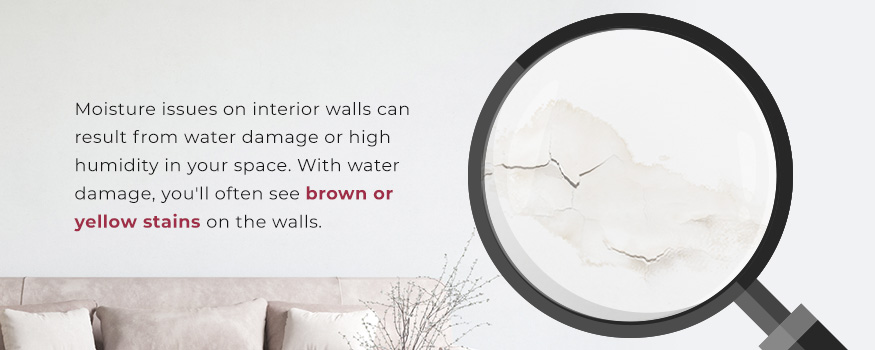
Moisture issues on interior walls can result from water damage or high humidity in your space. With water damage, you’ll often see brown or yellow stains on the walls. Other signs are bubbling paint or warped surfaces. Moisture can also cause efflorescence on masonry, which is a white, powdery deposit of water-soluble salts.
Water damage is one of the most obvious signs to repaint your home’s interior. However, for a long-term fix, you’ll have to find and fix the water source before applying a fresh layer of paint.
High humidity levels in your home can also cause moisture damage to your paint, such as blistering or mold growth. Some areas typically affected include bathroom ceilings, kitchen backsplashes, laundry rooms and basement surfaces.
Structural Paint Problems
In some cases, issues with the structure itself can contribute to paint damage. For example, the wall surface can have fine cracks, nail pops, or texture inconsistencies that make the paint appear uneven and unappealing. Joint defects like visible seams, tape showing and corner bead separation can also be unsightly.
Another set of signs you need to look out for are foundation-related issues. They can show up in paint and drywall when the structure moves. If you notice diagonal cracks on your interior walls, that can indicate settlement or shifting of the foundation. Other signs include separation from the window frame, door frame misalignment and baseboard gaps.
Lifestyle and Personal Factors
How often you repaint the house doesn’t always depend on damage. Lifestyle and personal factors can also provide excellent opportunities to revitalize the look of your interior.
Family Changes
As your family grows or changes, some rooms might need a makeover to accommodate your new normal. You might want to turn a spare room into a nursery or create a playroom that’s kid-friendly with the right colors or washable paints.
If you have pets in your family, it would be a good idea to repaint your house’s interior with them in mind. Consider using durable paints with scratch-resistant finishes, easy-to-clean surfaces or odor-resistant options.
Design Evolution
Another reason to repaint your house’s interior could be the evolution of design. Color has immense power in interior design, influencing a room’s appeal and function. With an understanding of color psychology, you can repaint your interior for space perception and light reflection. Paint colors can also affect mood. For example, blue can create a relaxing atmosphere, while white makes a room feel more open.
As design trends shift, so do your choices in paint colors. If your interior is outdated, you might also want to repaint your space to give it a modern look. You’ll need to consider current color palettes and finish preferences to find the best options for your space.
Professional Assessment Guidelines
Before repainting your home’s interior, you should consider a professional assessment. At Shoreline Painting, we can evaluate the current condition of your walls, identify any damage and recommend the most effective solutions.
Expert Evaluation
Our professionals can evaluate your home’s interior by examining the age and type of existing paint, the number of layers applied, and the quality of previous surface preparation. We’ll also consider environmental factors like humidity and sunlight exposure. Our team will assess any damage, from the extent of repairs needed to underlying issues, to ensure a thorough evaluation before we recommend repainting.
Service Selection
It is crucial to choose a reputable painting company like Shoreline Painting for your interior upgrade. Our professionals offer the expertise, efficiency and safety needed for a high-quality paint job.
Contact Shoreline Painting to Repaint Your House Interior
Repainting your home’s interior is an excellent way to refresh your space, protect your investment and enhance comfort. At Shoreline Painting, we are a Fine Paints of Europe Certified Master Painter with decades of experience delivering expert assessments and flawless, personalized painting solutions.
Contact us today for a professional evaluation and discover how our expertise can transform your interior with lasting quality.