
 203-302-1086


Challenging Surfaces: Painting Over Dark Colors, Glossy Paint and Problem Walls
November 23, 2026

Challenging Surfaces: Painting Over Dark Colors, Glossy Paint and Problem Walls
Fresh paint can immediately brighten up a room if applied correctly. But when someone is painting glossy surfaces, dark walls or water-damaged ceilings, they need more than just a single coat. Skipping proper preparation can result in dark colors still showing through the new paint, or the new coat refusing to stick to the wall properly.
The good news is that these are challenges that can be overcome with the right strategies. Instead of paying for frequent repaints or settling for a patchy, uneven job, find out how professional paint application can deliver lasting results.
Why Painting Over Dark Paint Colors Requires Primer
Painting over dark colors can be tricky because dark colors and light colors reflect and absorb light differently. A highly saturated dark color, such as midnight blue, underneath a single layer of white is likely to show through, as the white doesn’t have the opacity needed to cover it up fully.
A high-hide primer helps cover dark colors so the new shade comes through more clearly. A white primer is acceptable, but a tinted primer that’s a bit lighter than the intended color can work even better and reduce the number of coats needed to get the desired effect.
An Approach for Painting Glossy Surfaces
Glossy paint is durable, but it comes at a cost when you want to redo a room. It tends to be nonporous and slick, which can prevent new paint from sticking to it. At Shoreline Painting, our professional process includes:
- Removing any dirt or dust that may be stuck to the wall.
- Sanding down the surface until the sheen dulls.
- Priming the wall with an adhesive or bonding primer.
- Applying the coat of paint.
By having your wall properly sanded and primed first, you can ensure your wall is painted per your expectations the first time.
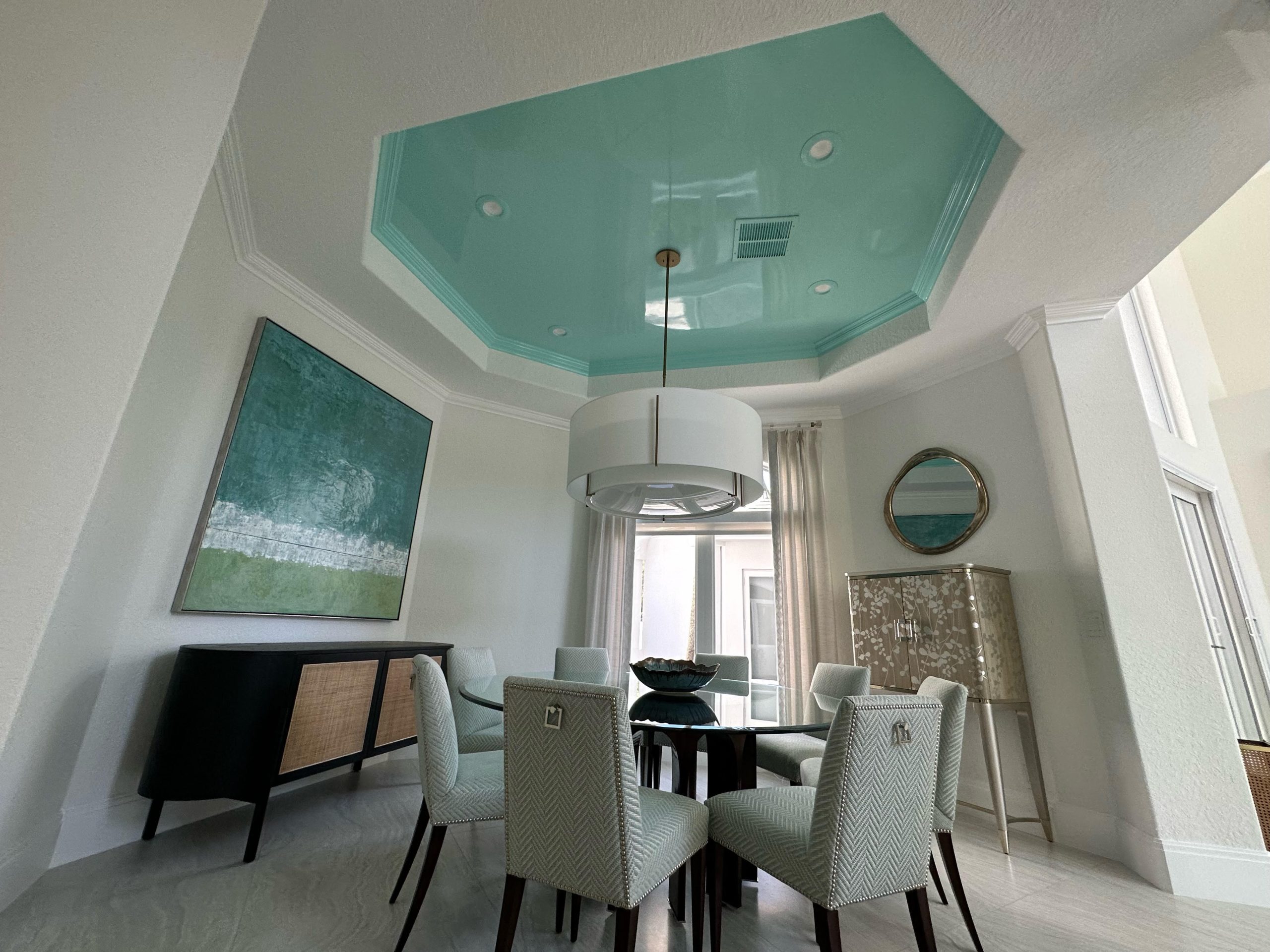
Solutions for Damaged Walls That Need Repair Before Paint
While you might be tempted to try to cover up cracks, holes or water stains with fresh paint, unrepaired damage tends to be unsightly and can cause paint flashing — an inconsistent appearance in the paint job. It’s best to have Shoreline Painting handle any necessary repairs before painting.
We commonly patch holes, cracks and dips that might otherwise harm the appearance of new paint. After patching the damaged area, we will sand it down, clean it, prime it and then paint. This allows repaired spots to blend in nicely with the rest of the wall rather than standing out and making the room look uneven.
Trust Shoreline Painting With Your Challenging Surfaces
Covering dark paint with light colors, putting new paint on glossy surfaces and sprucing up damaged walls can be challenging, but they are doable with the right preparation. Shoreline Painting offers the solution you need for all three.
We’re here to help you achieve the painting quality and lasting appeal you’re looking for. Contact us to learn more about your options or request a consultation.